Built for PMOS. Built for you.
Lila is a companion for living with PMOS: polyendocrine metabolic ovarian syndrome, the condition most of us still know as PCOS.
Join the waitlist
Be first to know when Lila opens. No spam, and nothing shared.
We'll only email you about Lila. How we handle your email
Thank you. We'll be in touch before launch.
Good morning.
How are you today?
A quick check-in whenever you're ready. Nothing to catch up on.
A check-in takes about this long.
Tap how today feels. This is the whole daily interaction, no forms, no scoring, no lectures.
Your mood, in a word.
Pick what's true. There's no wrong answer, and no score.
Your energy today.
However it actually is, not how you think it should be.
Anything your body's flagging?
Tap any that apply, or none at all.
Saved. That's your whole day logged.
In the app, days like this stack up into a weekly summary, and into the one page you hand your doctor.
Four things that change how this condition gets treated.
Not another cycle tracker with a pink calendar. Lila is built for the parts of PMOS that get missed, and for the appointment where you finally need proof.
Stop losing the argument to your own memory.
You get ten minutes. You've had six months of symptoms. Under pressure you name two, they sound minor out of context, and you leave with nothing.
Lila turns every check-in into a one-page summary: how often, how bad, what changed, and the questions to ask. You hand it over instead of recalling it.
Print, PDF, or CSV
Recipes chosen for your symptoms, your diet, and your kitchen.
Not a meal plan you'll abandon in a week. You tell Lila how you eat, omnivore, vegetarian, vegan, pescatarian, and which kitchen you actually cook in, from South Asian to Mediterranean to West African. It suggests real dishes with full recipes.
- Every dish has a goal, steady afternoon energy, protein to ease cravings, a calmer morning
- Full ingredients and method, plus why each ingredient may help with your symptoms
- No calories, no weight targets, no foods banned. Ever.
Tap any dish for the full recipe
Your data, not a population average.
PMOS is wildly individual. What flattens your energy may do nothing to someone else with the same diagnosis.
Lila watches what tends to travel together in your logs, and says so plainly, as a possible trend. It never predicts, never diagnoses, and never assumes a 28-day cycle you don't have.
Find out what actually helps you.
Change one thing, run it across a full cycle, and see whether it held. Not a seven-day challenge that a single rough week can ruin.
Keep what works and it moves into your plan with reminders attached. Release what doesn't, that's still a result, and nothing here scolds you for it.
To make an under-served condition impossible to overlook.
PMOS affects around one in eight women, more than 170 million people, and for decades it carried a name pointing at cysts most of them don't have. That framing cost people time, diagnoses, and care. We think the fix starts with taking each person's own record seriously.
Name it accurately
We use PMOS because words decide which risks get screened for and who gets taken seriously.
Evidence, not advice
Lila records and reflects. It doesn't diagnose, predict, or tell anyone what to take.
Built with, not at
Shaped around lived experience, no shame, no streaks, no weight targets.
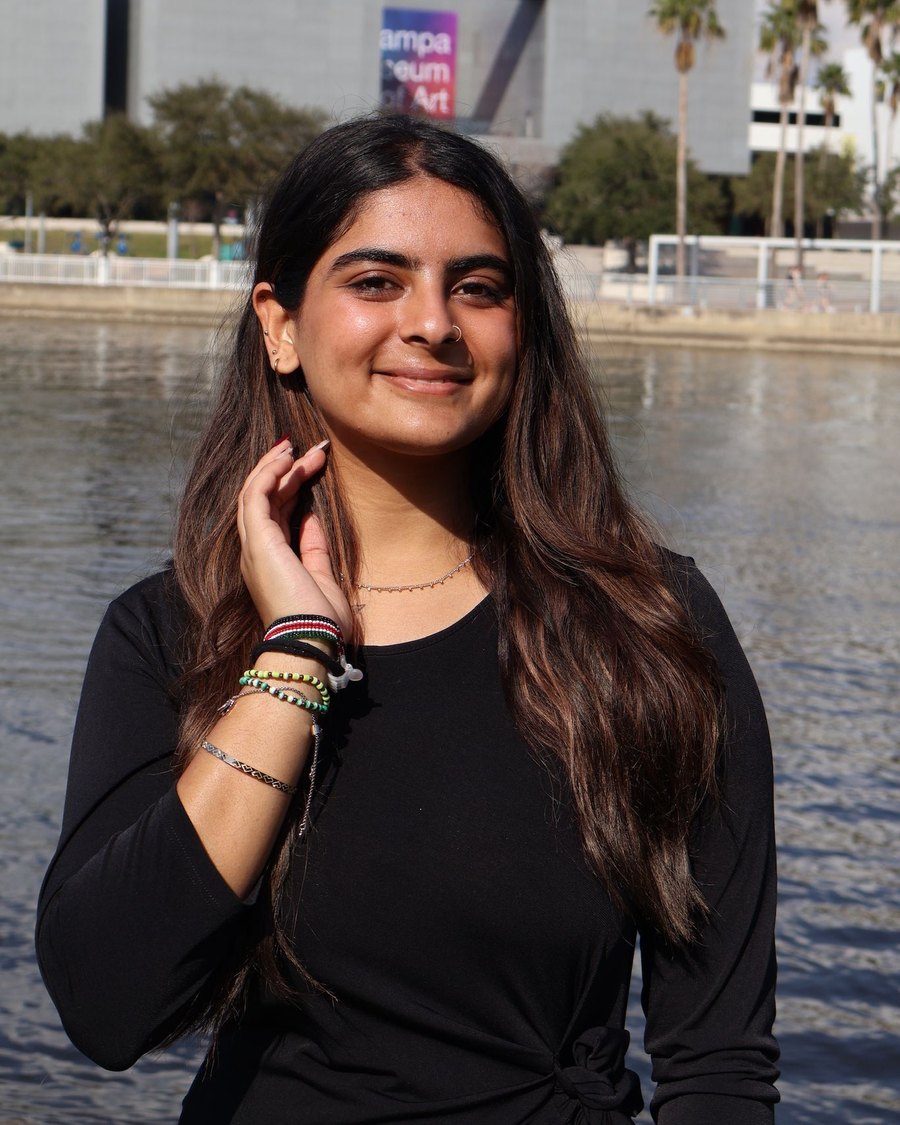
I built the app I needed.
"I walked out of an appointment realising I'd just described a year of my life in four minutes, and got it wrong."
I have PMOS. I know the particular exhaustion of tracking your own body for months and still having nothing to show a doctor but a vague sense that something is off. I know what it's like to be told your cycles are just irregular, that the tiredness is normal, that it's probably stress, and to leave with no plan, no test, and the quiet suspicion you've wasted everyone's time.
What took me longest to forgive was how little I knew. Nobody had ever explained any of this to me, not at school, not at a check-up, not by anyone in my family. I didn't know irregular cycles could mean something. I didn't know acne and exhaustion and cravings could all belong to the same condition. I assumed that was just my body being difficult, and I lost years to that assumption.
One in eight of us has this, and up to seventy per cent don't know. That is not a coincidence, and it is not our fault, you cannot advocate for yourself about something nobody has told you exists. Knowing what your own body is doing shouldn't be specialist knowledge. It should be the baseline.
The frustrating part is that the information exists. It's in your body, every day. It just evaporates between the noticing and the appointment, because nobody can hold six months of symptoms in their head and recall them accurately under pressure in a ten-minute slot.
So I started building Lila, first for myself, then properly. Something that takes a minute a day, makes no claims it can't support, never tells me what to eat or what my body should weigh, and hands me one clear page when I need to be believed. Every choice in it comes from something that frustrated me, or from a woman who told me it frustrated her too.
That's also why half of what we make isn't an app at all, it's the plain, sourced writing I wish someone had handed me at seventeen. We deserve better than finding out by accident.
Jiya, founder of Lila